Plastic, Reconstructive and Aesthetic Surgery
DEPARTMENT OF PLASTIC, RECONSTRUCTIVE AND AESTHETIC SURGERY
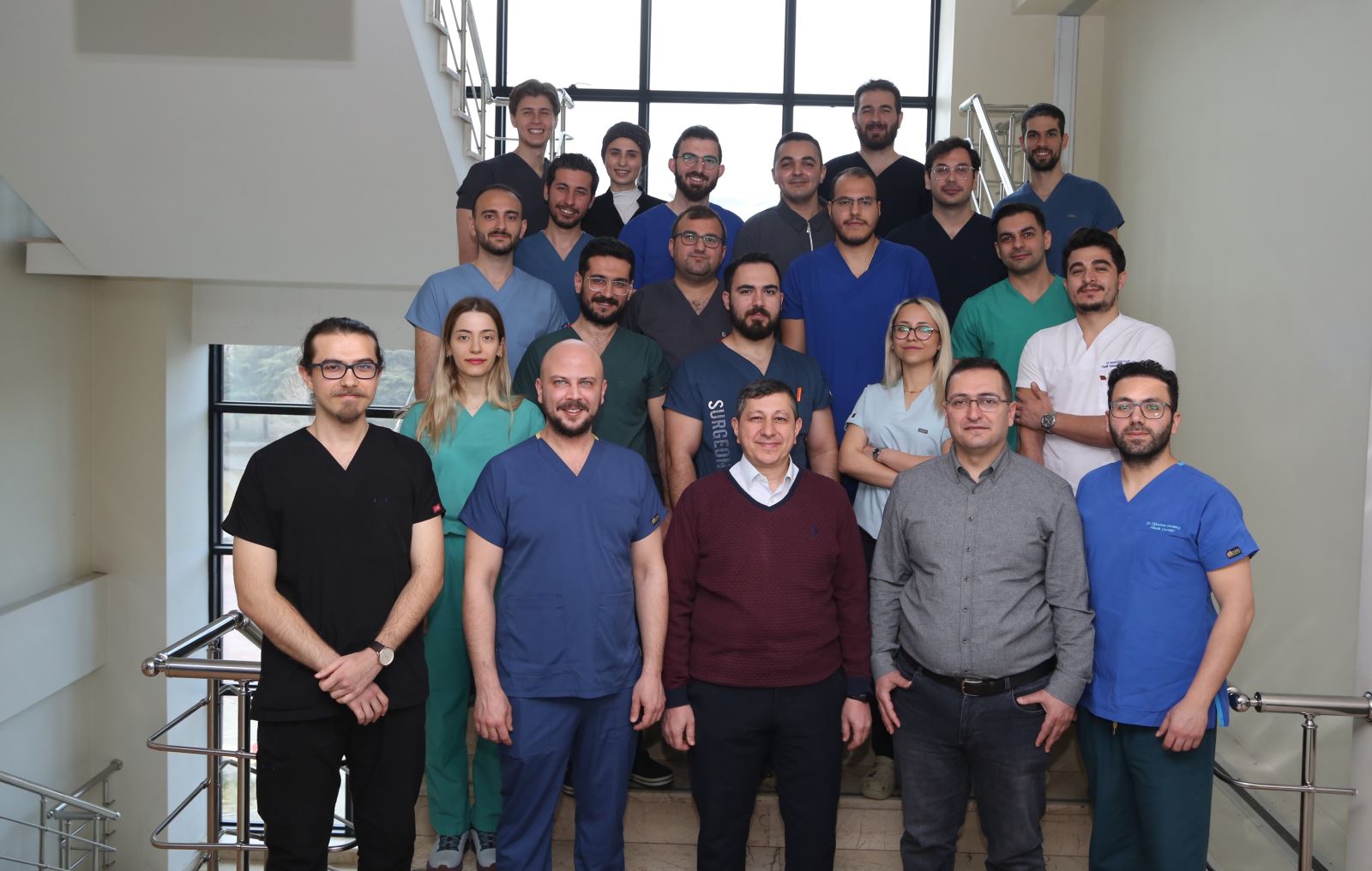
The Department of Plastic, Reconstructive and Aesthetic Surgery was founded in 2001 by Prof. Dr. Mustafa Asım Aydın. Our department has 1 outpatient clinic, a 25-bed ward, and 2 operating rooms.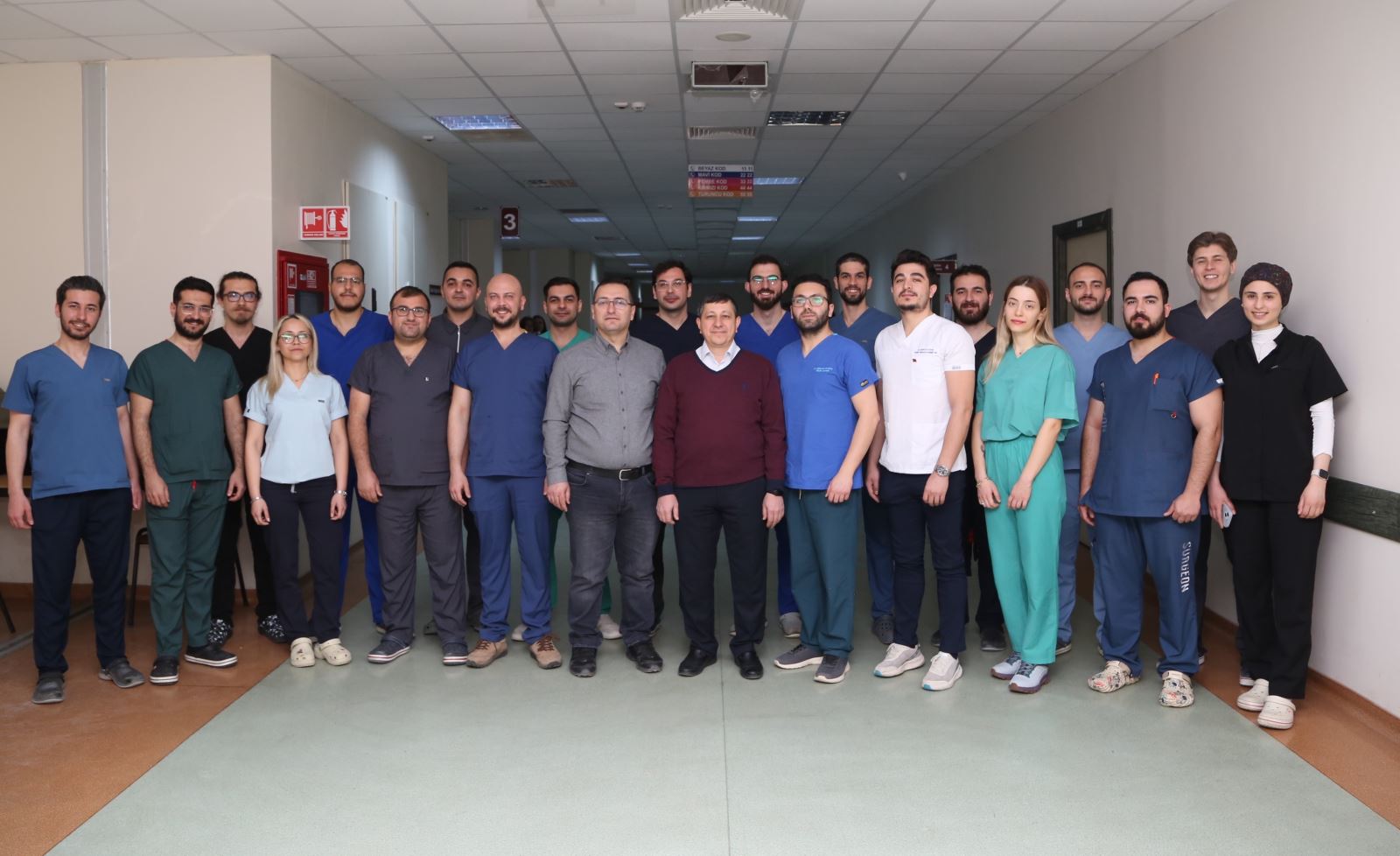 PLASTIC AND RECONSTRUCTIVE SURGERY (RECONSTRUCTION AND REPAIR SURGERY)
Plastic and Reconstructive Surgery is a surgical specialty that works to correct congenital or acquired anomalies and disorders of form and function, and to correct body image. "Plastic" is a word derived from the Greek "plasticos" and means "to shape" or "to fit into a mold." "Reconstructive" is a word of Latin origin and means "to rebuild."
Plastic and Reconstructive Surgery deals with every kind of surgical problem occurring on the entire body surface. The events that impair the form and function of the body may be congenital, traumatic, or acquired in origin. For example, congenital conditions such as cleft palate and lip, webbed fingers (syndactyly), and vascular masses (such as hemangiomas); traumatic conditions such as burns, facial injuries due to traffic accidents, various cuts, and amputations of organs; and acquired conditions such as various skin and soft tissue tumors and chronic wounds fall within this surgical discipline. Losses of bone (especially facial, cranial, and hand bones) and cartilage framework (such as ear and nose cartilages), deformities, and pathological events (tumors, cysts, infections, etc.) are likewise within the field of plastic surgery. For this purpose, in addition to classical surgical methods, it may make use of microsurgery, laser systems, endoscopy, and various chemical agents and medications.
In summary; Plastic and Reconstructive Surgery works to repair every kind of defect (void) affecting the skin, subcutaneous tissue, and bones on the entire body surface. In doing so, the basic rule is to perform the repair with tissues similar to whichever tissues have been lost.
AREAS OF INTEREST OF PLASTIC and RECONSTRUCTIVE SURGERY
Facial deformities– Asymmetries, congenital masses, rare facial clefts
Cleft lip and palate
Craniofacial - maxillofacial anomalies (e.g., deformities, irregularities, and deficiencies of the jaw, facial, and skull bones
Orthognathic surgery (Malocclusion)
Absence of the auricle, prominent ear, and other deformities
Nasal defects, tumors, avulsions
Salivary gland problems
Congenital tumors, nevi (moles), masses, vascular malformations, hemangiomas
Bone and soft tissue trauma of the face
Maxillofacial surgery (Bone defects, fractures, and disorders of form and function due to traffic accidents, tumors, and other causes, jaw surgery
Head and neck tumors and repair of their defects
Absence of the breast, asymmetry, or excess breast tissue
Breast reconstruction after cancer
Gynecomastia (Enlarged breast in men)
Congenital anomalies of the genital organs (Epispadias, hypospadias, vaginal agenesis, etc.)
Repair of the genital organs, replantation of amputated organs,
Chest and abdominal wall defects
Hand Surgery (Trauma, tumors, finger transfers, finger repairs-lengthening, etc.)
Deficiencies and deformities of the hand and foot
Peripheral nerve problems (trauma, neuropathies, defects, masses)
Skin and soft tissue tumors
Acute burns and post-burn deformities, contractions, contractures, damage to soft tissues caused by electricity and chemical substances
Wounds in the skin and subcutaneous tissue caused by various infections, radiation, and other effects
Chronic wounds (such as pressure ulcers, venous ulcers, and diabetic foot ulcers) 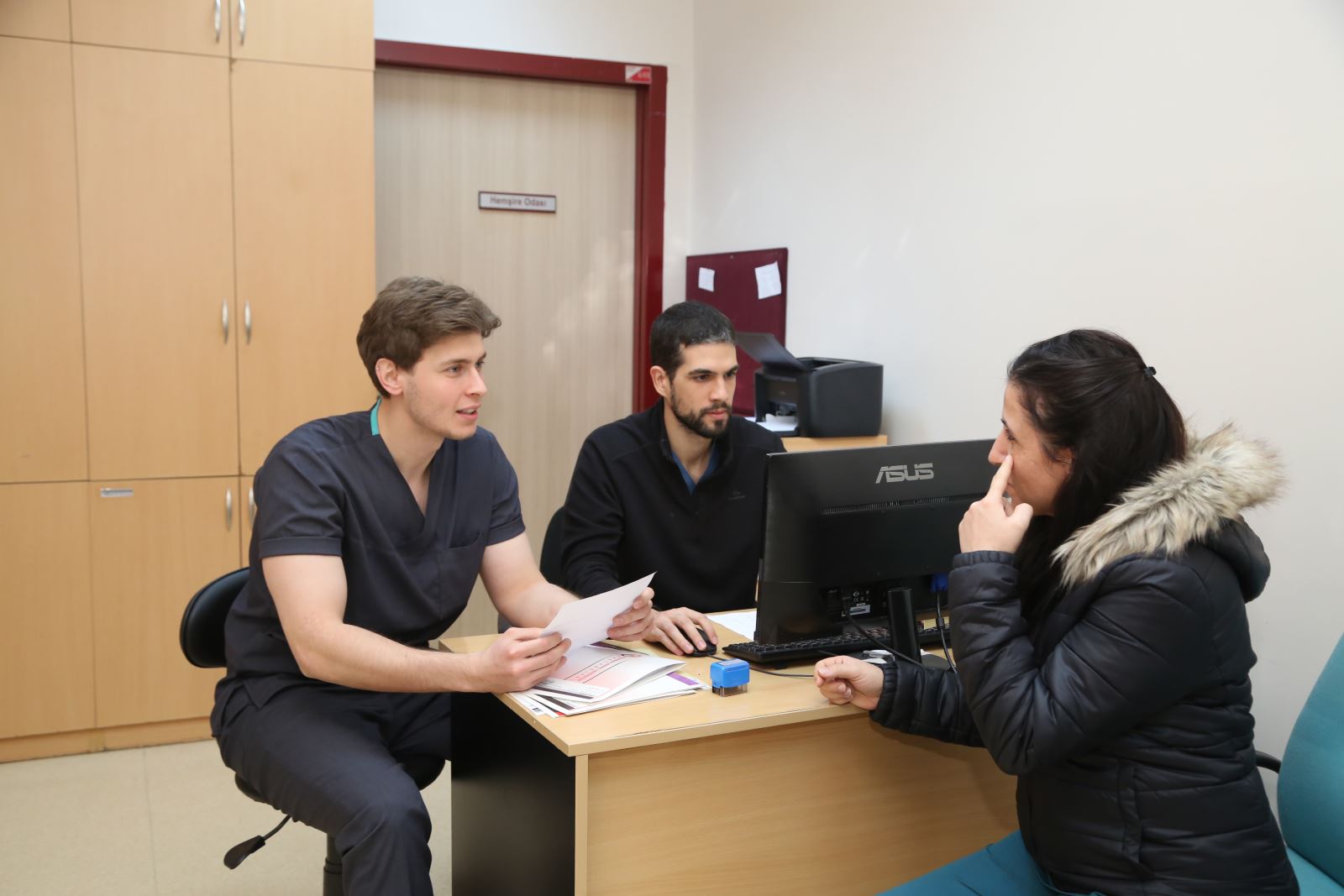 The rule for repair in Plastic Surgery is to first choose the simplest method that causes the least harm. Primary repair of a wound (such as suturing) is considered first; if there is tissue loss, a graft (skin patch) is applied. In cases where this method is also unsuitable (such as deep and complex tissue losses and exposed bone and tendon injuries), flaps should be used. Flaps are planned according to the condition and location of the tissue defect, considered within a flow chart ranging from simple local flaps (for example, skin flaps) to composite flaps (involving more than one tissue). The basic rule in plastic surgery is to perform repair using the tissues closest to the lost tissues.
In both plastic surgery and aesthetic surgery, it is appropriate to use autologous tissues (taken from the person themselves) first. However, if donor sites for autologous tissues are unavailable or the patient is unsuitable, other sources may be used (Homografts, heterografts, and alloplastic materials). For example, in extensive burns, skin grafts (skin patches) taken from the patient's healthy areas are preferred first. If these areas are insufficient, skin taken from other people or cadavers (homograft) and even skin obtained from animals (heterograft) may be used.
Those other than autografts are used in humans as temporary biological dressings; they do not remain in the wound. Another example can be given for bone losses. In facial bone losses, bone is first taken from other parts of the body and applied to the defect area. However, if this source is insufficient or cannot be used, alloplastic materials (porous polyethylene, hydroxyapatite, titanium, etc.) may be used.
 AESTHETIC SURGERY (COSMETIC SURGERY)
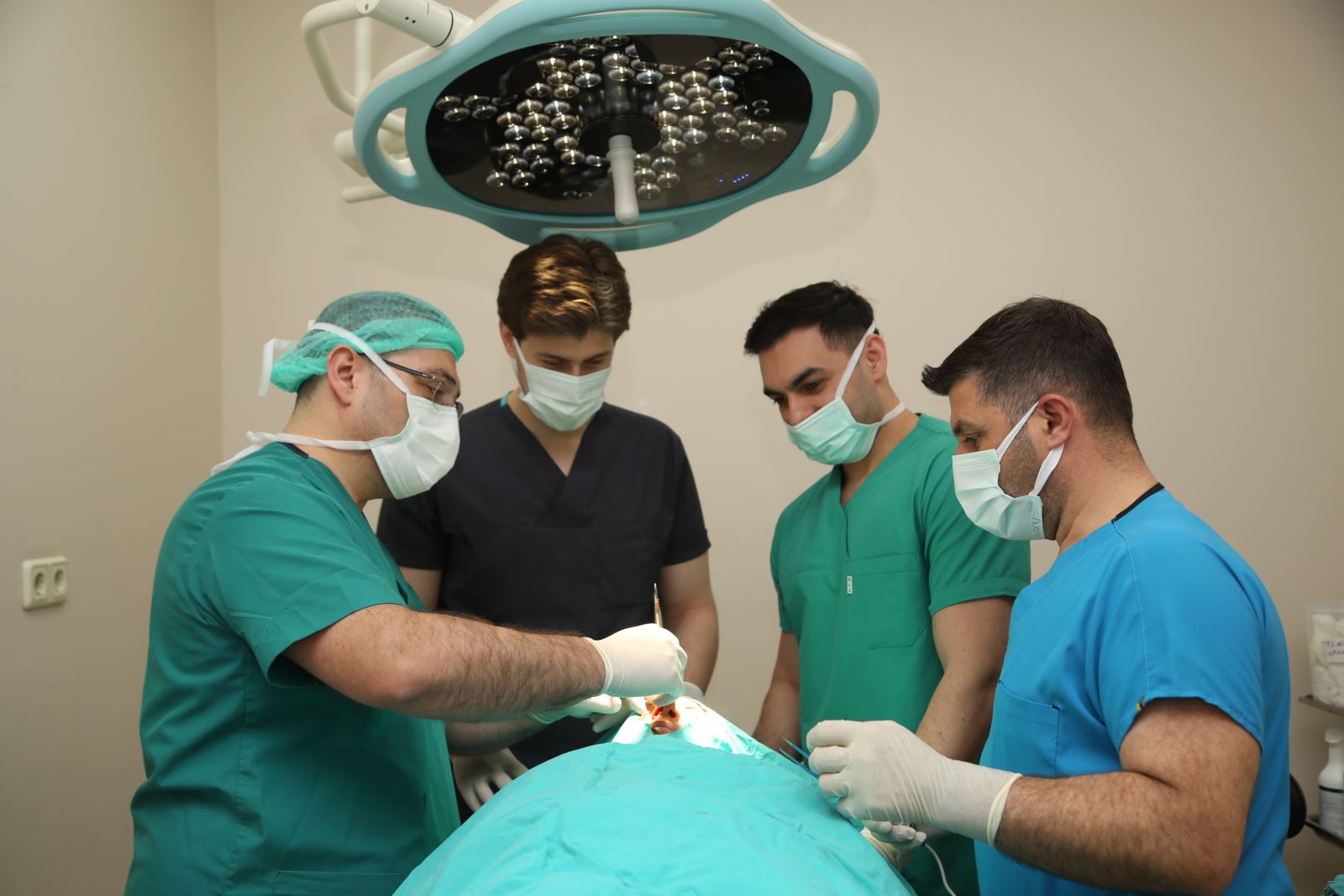
It is a subspecialty within plastic surgery. Aesthetic (or cosmetic) surgery deals with operations and procedures performed to make body image more beautiful and perfect. Here, there are aesthetic problems rather than a medical problem. In the media, news about the aesthetic side of plastic surgery receives more coverage, and perhaps for this reason the public perceives plastic surgeons as people who only perform aesthetic surgery. However, in clinics plastic surgeons deal to a greater extent with repair surgery (reconstructive surgery).
All plastic surgeons also receive aesthetic surgery training during their specialty training and are the only authorized surgeons to perform these operations. Aesthetic surgery requires long training and experience. Such operations require both surgical and artistic skill. In aesthetic surgery, it is not always aesthetic problems that are solved; sometimes medical problems are solved as well. For example, surgical correction of an excessively obese torso or of breasts that have grown to giant size (gigantomastia) solves medical and aesthetic problems together. In addition to the aesthetic correction of an organ, its function is also extremely important. For example: in aesthetic nose surgery (Rhinoplasty), problems of shape and breathing must be corrected together.
In our country, breast aesthetic surgery (augmentation-reduction-lifting), nose aesthetic surgery (rhinoplasty), body contouring surgery (liposuction, lipectomy, abdominoplasty), facelift-rejuvenation, eyelid surgery (blepharoplasty), and correction of the auricle (prominent ear) are among the frequently performed aesthetic operations.It is necessary to consult specialist plastic surgeons for aesthetic surgery operations.
Doctors in other fields attempting to perform aesthetic surgery create many medical, ethical, and legal problems, and patients in unqualified hands encounter complications that are very difficult to correct. Therefore, when choosing a surgeon regarding the above problems, it will be in the patients' own interest to be sure to consult “Plastic and Aesthetic Surgeons.”
 FIELDS OF AESTHETIC SURGERY
Aesthetic and functional nasal correction (Rhinoplasty, septorhinoplasty)
Facial rejuvenation (Facelift - eyelid and perioral revisions, treatment of wrinkles)
Endoscopic face-forehead lift, brow lift
Eyelid aesthetics (Blepharoplasty)
Correction of prominent ear and other aesthetic problems of the auricle,
Chin augmentation and reduction operations (Mentoplasty),
Removal of scars (wound marks) and irregularities in the skin,
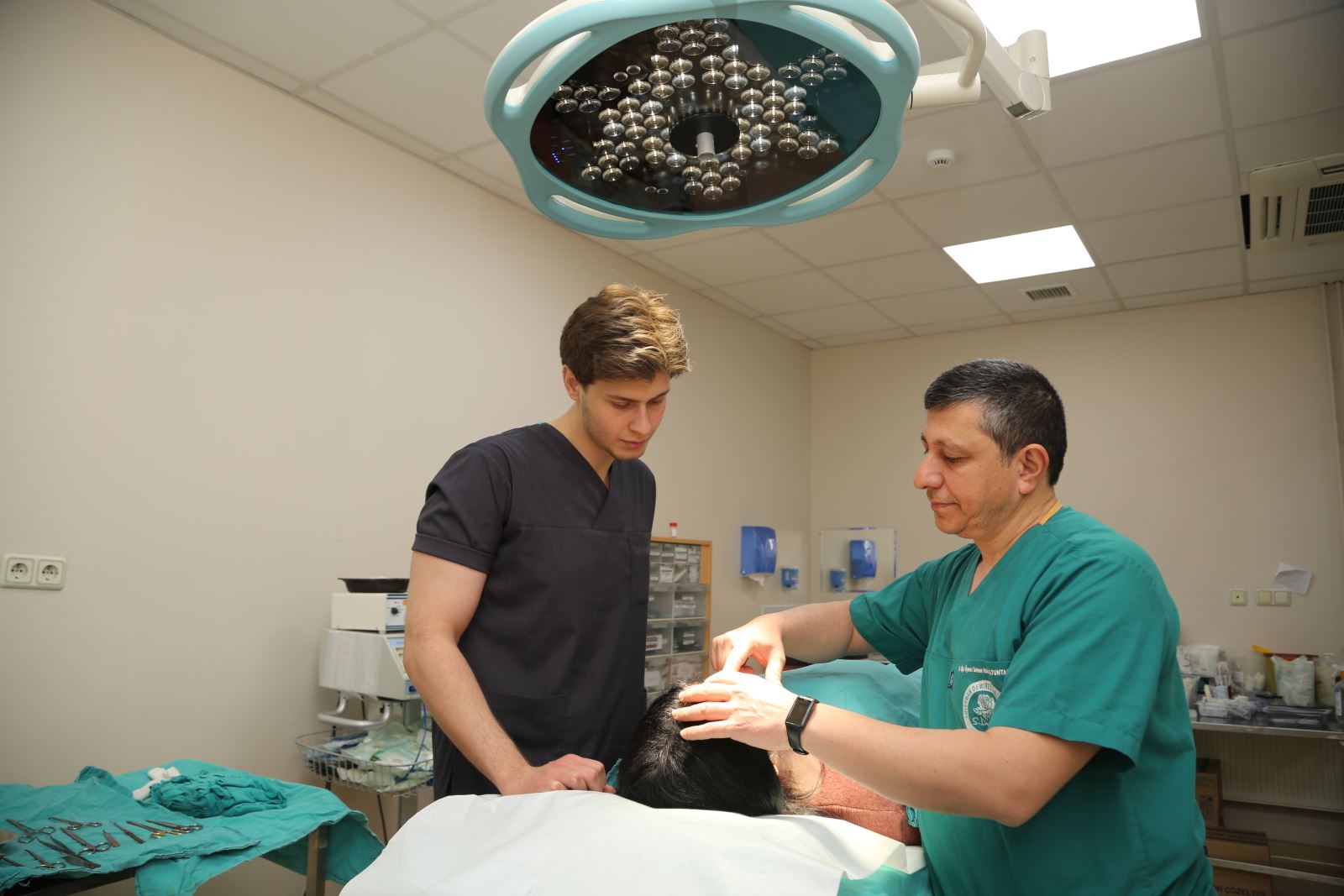
Hair transplants - replacements
Laser applications (Facial peeling, removal of spots and vascular malformations
Aesthetic breast operations :Augmentation, reduction, and lifting
Operations aimed at reducing excess skin-subcutaneous fat tissue (liposuction-lipectomy)
Tummy tuck (Abdominoplasty)
Leg contour correction (by fat removal, injections, or leg implants)
Contour corrections with implants (prostheses applied to soft tissue) (Hip and thigh implants, pectoral (chest) implants in men - such as leg implants)
Skin care and interventions
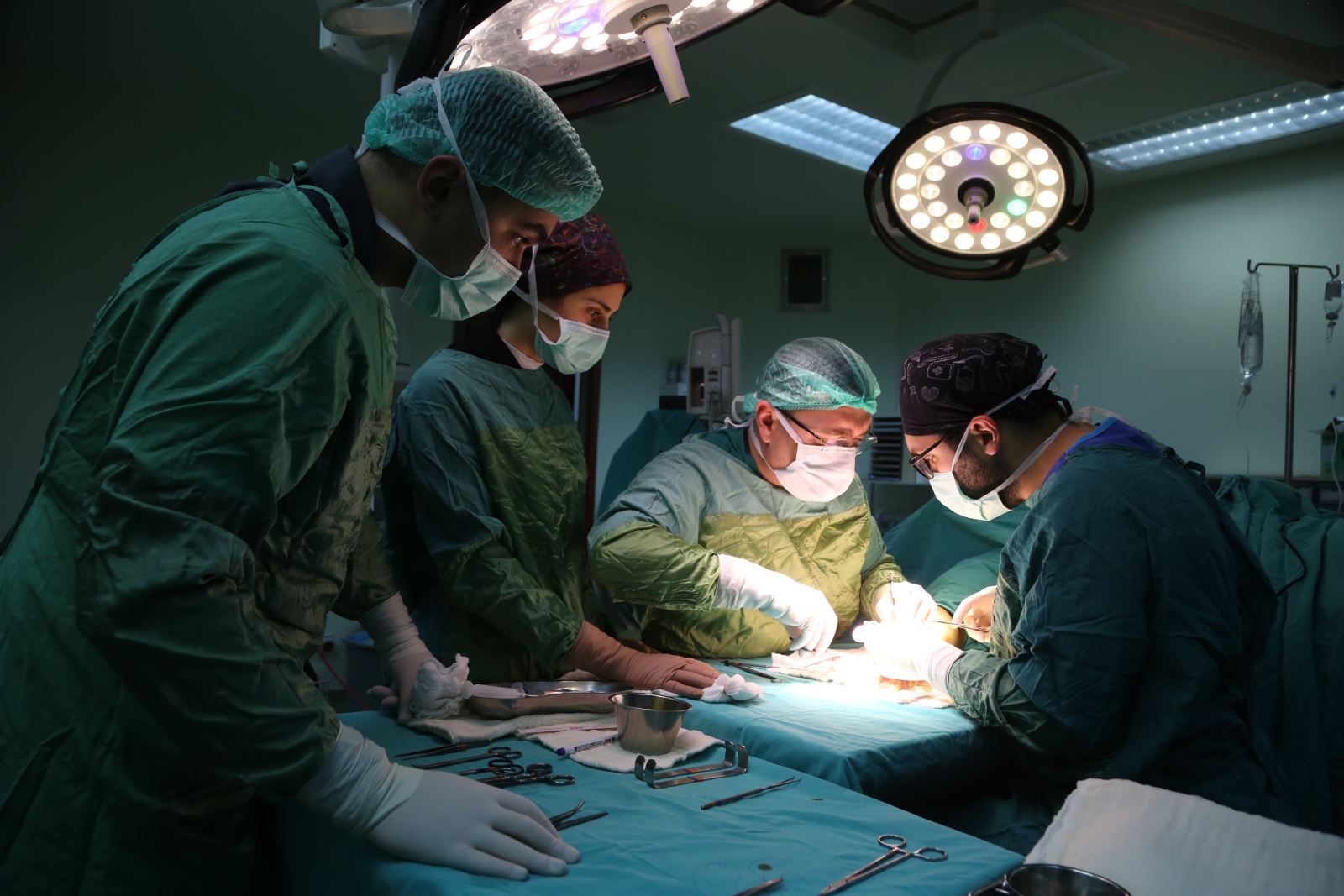 In aesthetic surgery, operative and non-operative methods may be used together or separately to achieve the goal. For example, in facial rejuvenation, a facelift (rhytidectomy = face lift) is performed first, and then chemical peeling and filler injection may be performed for fine lines and spots. It should not be forgotten that aesthetic problems requiring an operation (such as sagging skin, localized fat accumulations, or a hypertrophic breast) can only be eliminated by operative methods.
Instead of an operation, some methods whose scientific validity has not yet been proven and which are generally applied by people other than plastic surgeons (mesotherapy, carboxytherapy, etc.) do not provide a clear benefit to patients. In aesthetic surgery, apart from the major operations listed above, adjunctive methods are applied, such as skin peeling methods (laser, chemical, or mechanical peeling) for spots, fine wrinkles, acne, or old scars; fat injections (lipofilling) for depressions and contour irregularities; fillers (such as collagen and hyaluronic acid) for depressed scars and wrinkles; Botox applications for forehead and eye-corner lines; and injection of fat and various fillers for lip augmentation.
Turkish Plastic Surgery holds a very good place in the world in terms of both scientific and surgical skill. All plastic and aesthetic surgery operations performed in the world can be performed in our country at the same quality, and many foreign patients come to our country to have surgery.
 SPECIALIZED SUBSPECIALTIES WITHIN PLASTIC SURGERY:
AESTHETIC (COSMETIC) SURGERY:
These are operations performed so that the patient attains a more aesthetic and proportioned body. The relevant body part (nose, breast, abdomen) is made more perfect and harmonious with the surrounding contours, based on anatomical and aesthetic measurements. Fat injections and various implants may be used in this surgery.
MAXILLOFACIAL SURGERY:
It deals with every kind of surgery of the facial bones. Facial bone fractures, tumors, orthognathic corrections (moving the jaws forward or backward), and correction of congenital facial clefts fall within this field.
CRANIOFACIAL SURGERY:
It corrects abnormalities and deformities in the skull bones. Because skull deformities noticed after birth (tower skull, hammer-shaped skull, flat head) also adversely affect brain development, they are corrected by means of craniofacial surgery. Defects and deformities that develop later in the skull bones can be repaired with various autologous tissues (bone and cartilage taken from elsewhere) or alloplastic materials.
MICROSURGERY:
It is a surgery performed under an operating microscope with special microsurgical instruments. Sewing back amputated hands, feet, and other tissues (replantation) can be done with this surgical technique. By suturing small-caliber vessels and nerves, function can be restored to the amputated organ, and it is also possible to transfer tissues from another region to a defect (Free flaps). Today, vessels and nerves as thin as 0.5 mm in diameter can be sutured.
HAND SURGERY:
Thanks to hand surgery, it is possible to correct traumatic defects of the hand (cuts, crush injuries, amputations) and disorders of form and function, correct congenital disorders (finger anomalies, webbed and extra fingers, cleft hand, deformed hand, etc.), repair tendons and nerves, and treat hand tumors and hand burns.
ENDOSCOPIC SURGERY:
With the help of the endoscope, face and forehead lifts, breast implant placement, and nerve and vascular surgeries have become possible.
DEPARTMENT AREAS OF WORK
Hand Surgery
Pressure Ulcers
Facial Paralysis
Breast Reconstruction
Trunk Reconstruction
Tissue Expansion
Microvascular Flap Surgery
Aesthetic Surgery
Scar Revision
Congenital Anomalies
Facial, Hand, and Lower Extremity Trauma
Burns
Benign Skin Neoplasms
Malignant Skin Neoplasms
Hand and Neck Neoplasms
Repair of Facial and Jaw Bone Fractures
FACILITIES
General Operating Room
CONTACT: 0 246 211 91 82
Head of Department
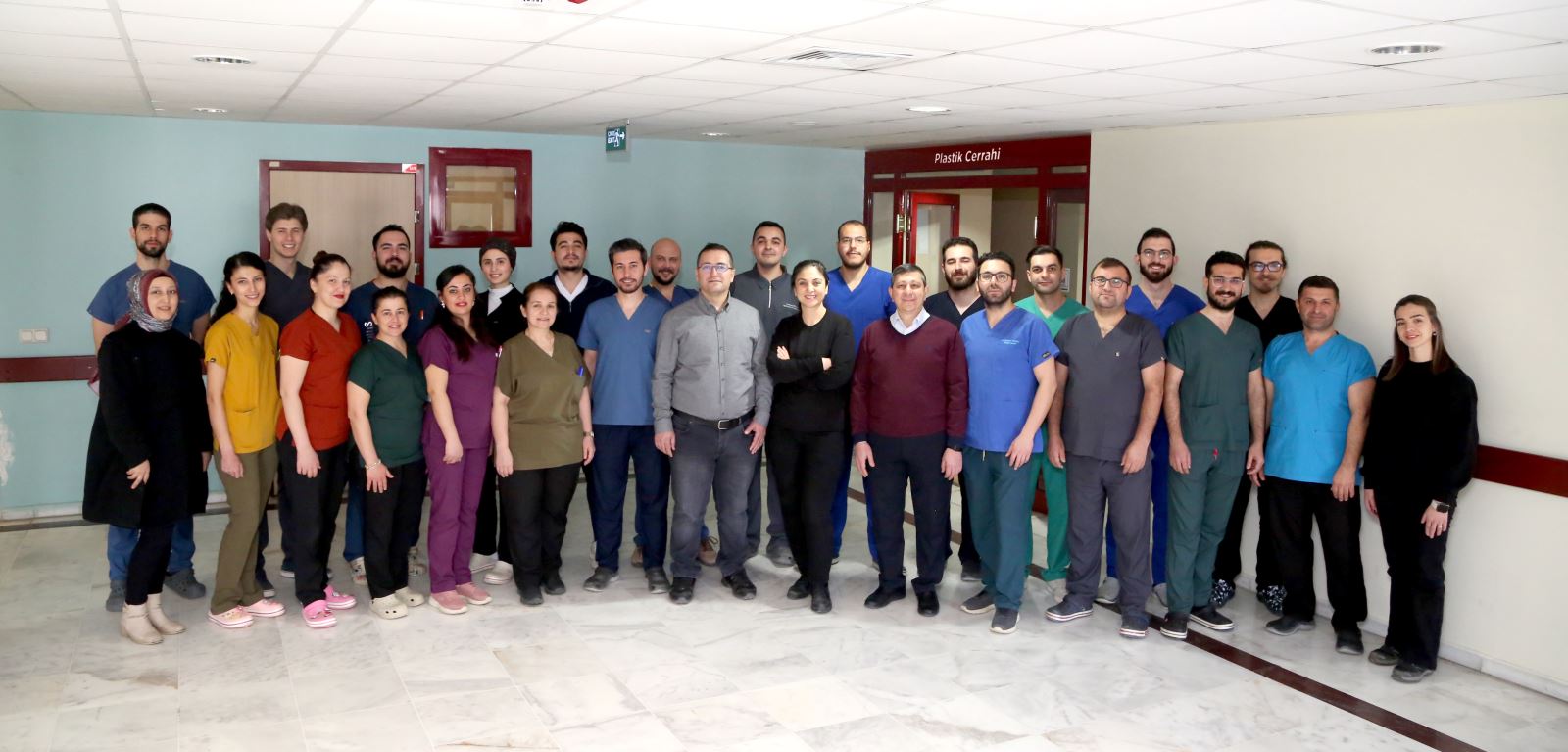
OUR PHYSICIANS
- Assoc. Prof. Dr. Fuat USLUSOY
- Assist. Prof. Dr. Selman Hakkı ALTUNTAŞ
- Res. Assist. Şevval GÜRSOY
- Res. Assist. Uğur ÇAT
- Res. Assist. Baha Berkay EYHAN
- Res. Assist. Heba Khaled Hasan ABD ULHAQ
- Res. Assist. Javıd HEYDARLI
- Res. Assist. Mahmut MERGEN
- Res. Assist. Yiğit ARSLAN
- Res. Assist. Vahit DURGUT
- Res. Assist. Rahim OK
- Res. Assist. Mirhuseyn MAMMADOV
- Res. Assist. Hüseyin SEMERCİ
- Res. Assist. Halil KARAALP
- Res. Assist. Sena UĞUR
- Res. Assist. Serkan UYAR
- Res. Assist. Akçahan AKÇA
- Res. Assist. Barış CENGİZOĞLU
- Res. Assist. Mustafa AKTEMUR
- Res. Assist. Mazlum BULDU
- Res. Assist. Furkan YÜKSEL
- Res. Assist. İsmail Furkan KAYA
- Res. Assist. Mahsun BAYTUK